
Trauma Informed Community of Practice
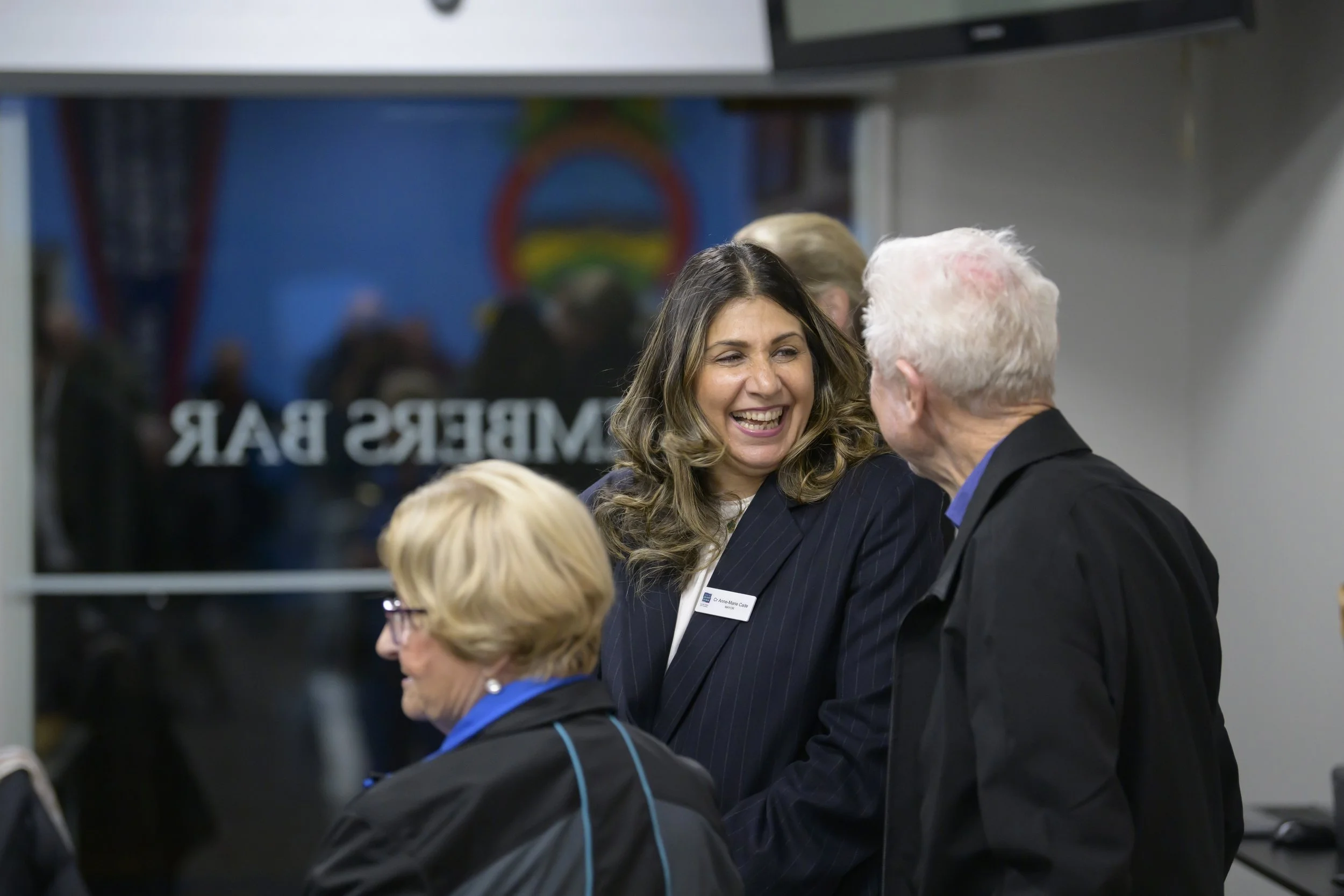
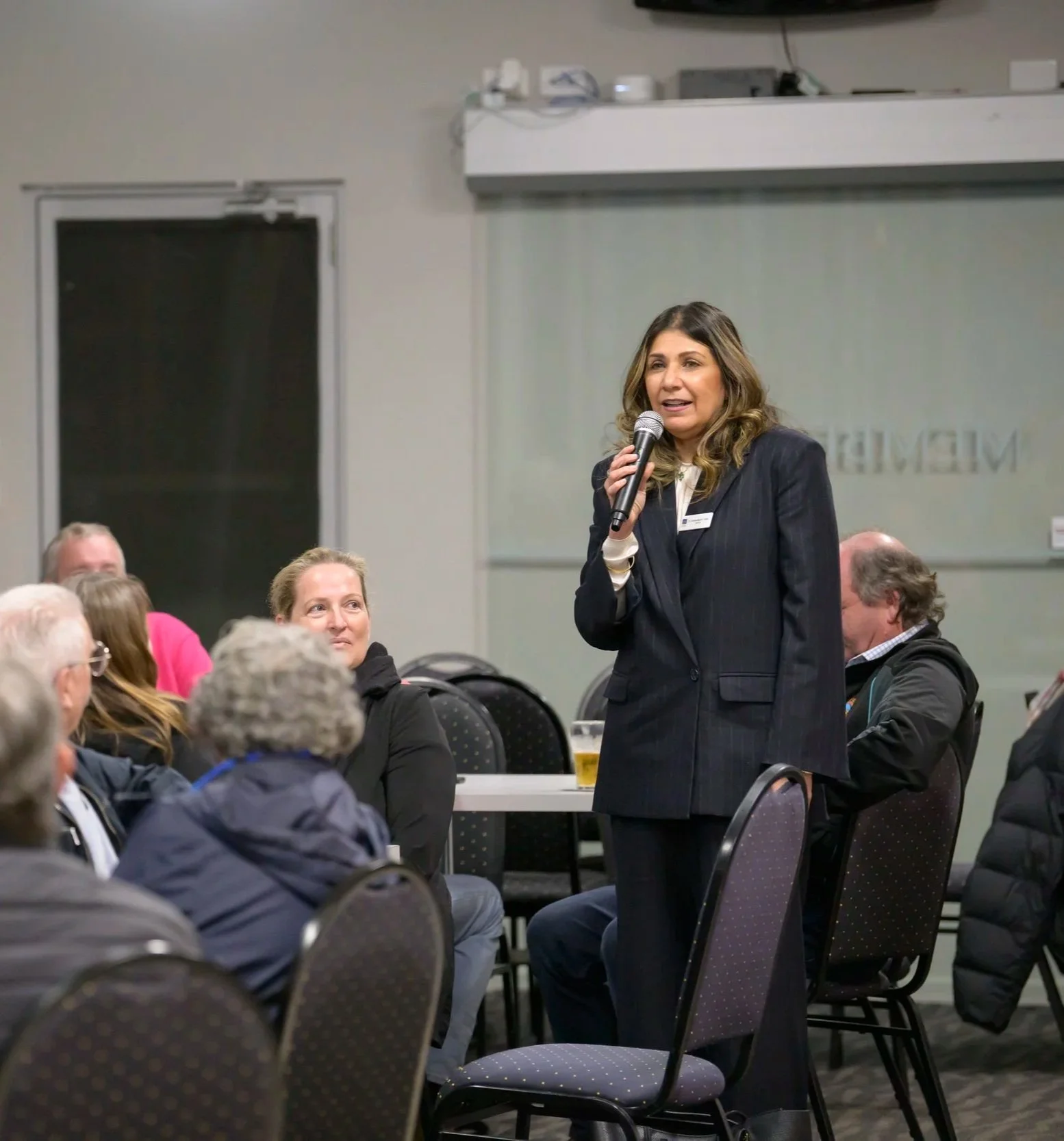
with Anne-Marie Cade
Join the Community of Practice
12th Nov, 26th Nov, Dec 7th
Time - 1- 2 pm
$440 for 3 sessions
What is this Community of Practice?
Many of the people we work with arrive carrying trauma, whether from the dispute itself or from experiences long before it. How we respond can shape not only the outcome, but whether people leave the process feeling heard, safe and treated fairly.
This Community of Practice is a reflective series for experienced legal and dispute resolution professionals who want to bring trauma-informed principles into their everyday work. Each session opens with a short insight drawn from current research and international practice, followed by facilitated, honest conversation about the realities of the work - the difficult moments, the judgement calls and the emotional weight we often carry quietly.
There is room for everyone to contribute. If you can’t attend a session, you’re welcome to pass your place to a colleague.
How we work together
Discussions are confidential, and client matters are always de-identified. You’re welcome to take part at whatever level feels comfortable. We aim to model the same safety, choice and respect we hope to offer the people we work with.
Who is it for?
This series is designed for practitioners who work with people at difficult moments in their lives, including:
Lawyers
Mediators and FDRPs and Parenting Coordinators
Barristers and in-house counsel working on sensitive matters
Topics
Each session focuses on a challenge that sits at the heart of trauma-informed practice. Sessions follow the same rhythm: a short research insight, facilitated peer reflection, and a closing focus on what you’ll take back into your practice.
Session 1: Understanding Trauma and how it impacts on memory and credibility
When someone’s story shifts, gaps appear or their manner seems “off,” it’s easy to read this as unreliability. Often, it’s trauma. Anne-Marie shares research and international insights on how trauma shapes memory, recall and demeanour, and what this means for interviewing, evidence and assessing credibility. The group then reflects on how this shows up in their own matters and what fairer practice might look like.
Session 2: Safety in the room. Designing trauma-informed processes
Small changes can make a real difference to whether people feel safe enough to participate. This session explores intake and screening, shuttle and online formats, choice and predictability, and trauma-informed written communication. Anne-Marie draws on approaches she observed in Scotland, the UK, the US and Canada. The group shares what is working in their own settings and considers what could be adopted here.
Session 3: The cost of caring. Vicarious trauma and sustaining practice
Working alongside trauma and conflict affects all of us, often more than we acknowledge. This session looks at the emotional load of the work, how to recognise the early signs of vicarious trauma, and what individuals and organisations can do to support practitioner wellbeing. It’s a space for peer support, honest reflection and practical strategies for staying well in the work we care about.
Who facilitates the sessions?
Sessions are led by Anne-Marie Cade, a lawyer, Nationally Accredited Mediator, Family Dispute Resolution Practitioner and Parenting Coordinator, and Adjunct Lecturer at the College of Law.
In 2025, Anne-Marie was awarded a Creswick Fellowship to research trauma-informed approaches in the justice sector and workplaces across the UK, Scotland, the US and Canada. She is also a Churchill Fellow and was named Australian Mediator of the Year at the 2023 Australasian Law Awards.
After more than 12 years in legal practice, Anne-Marie moved into dispute resolution, and she brings both the lawyer’s and the mediator’s perspective to the room. Her facilitation style is calm, warm and practical, with a focus on creating space for practitioners to think, share and learn from one another.
Secure your place
Testimonials
Immediately following your session, I was writing a judgment. I was able to reflect better on those hyperaroused state, because of your presentation.
Judge from the Federal Circuit and Family Court of Australia.
Thank you for speaking at the Second Annual Victorian Bar Mediation Symposium on Trauma Informed Practice. The area is still not well published or it seems understood in the profession and it was great to hear from your Creswick Fellowship research findings.
There were many barristers and judicial officers who took a keen interest in your speech. I look forward to seeing awareness of this topic develop over the coming years as training is rolled out.
TASMAN ASH FLEMING (HE/HIM), Barrister & AMDRAS Accredited Mediator
SVENSON BARRISTERS
I thought your talk was really outstanding and very informative. It’s very relevant to me as a VCAT member as I conduct hearings and compulsory conferences and we encounter many parties who are affected by trauma. You spoke so eloquently and clearly have deep knowledge of this topic.
Deputy President, Head of the Appropriate Dispute Resolution Division
Congratulations on your presentation at last night’s Victorian Bar Mediation Symposium! The audience was very grateful for your insights which we found to be very useful. We would be delighted if you would be willing to share your presentation with the accredited mediators here at the County Court.
Judicial Registrar
County Court of Victoria
It was extremely useful and informative to hear your presentation on trauma and ADR.
Dan Star KC, Senior Counsel, Barrister AMDRAS Accredited Mediator
Thank you Anne-Marie for an interesting and thought provoking discussion !
Samantha Cipriano, Barrister and Mediator, Chair of the ADR committee, Vic Bar
Related Services
Trauma-informed supervision and mentoring: one-on-one reflective support for family lawyers and mediators.
Training and workshops: tailored trauma-informed practice training for teams and organisations.
Mediation: independent, trauma-informed mediation for parenting, property and other disputes.